
“Old” Brain or Untrained Brain?
You know the phrase, “you can’t teach an old dog new tricks”? That’s simply not true. One of the biggest issues in modern aging is that outdated beliefs like "decline is inevitable, pain means you’re broken, weakness is your fault. Thoughts like this can convince people to stop trying.
When you expect your body to fail, you move less, explore less, and gradually lose the very abilities you’re trying to protect.
Here’s the hopeful update: change is possible at any age, especially when you understand what’s actually happening in the body and brain as you age. Brain Training gives you practical, science-informed tools to support healthier aging with less pain, better movement, and more confidence in daily life. Bamboo Bodies students in their mid-80s report meaningful shifts from these practices: more comfort, more stability, and more freedom to keep doing what they love. And I want to share this information with to in hope of improving your aging journey.
Updated Truths vs Old Discoveries
Through human history, we’ve kept updating what we think we know about the human body. In fact, that’s the whole point of science - updating our knowledge! By now we should know that science isn’t a fixed set of truths; it’s an ongoing series of “oh wow, I didn’t know that” discoveries that refine (and sometimes overturn) what came before.
We once blamed illness on evil spirits before we understood germs. And for a long time we believed pain was a simple signal that traveled from a body part straight to the brain. We now know pain is far more complex than that.
Progress requires letting go of old ideas, even when they’re familiar, and that can take years. This is one of those moments in aging: some common beliefs are outdated, limiting, and simply not true, yet they still shape how people train, heal, and move. Here are a few phrases we still hear (even from professionals) that deserve retirement:
Well what do you expect at your age?!
We decline as we age.
I am in pain because I am weak.
My “knee pain” keep me from doing what I love.
That ‘old’ injury hasn’t healed.
Here’s what’s wild: every one of those statements sounds logical because they feel true. They’re what we’ve heard our whole lives. They’re what people say when they’re trying to make sense of why their body feels different.
But “common” doesn’t always mean “correct.”
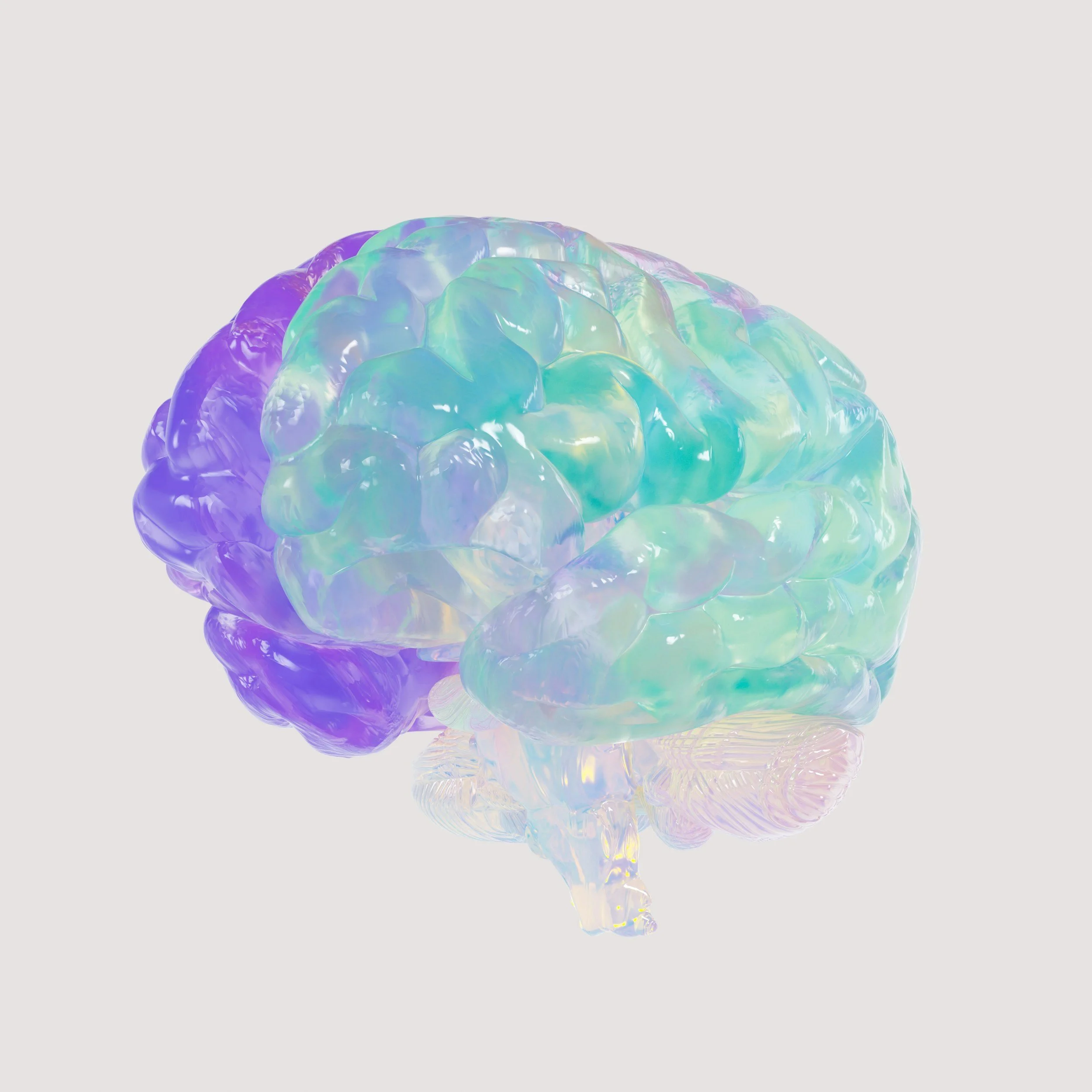
Because the truth is, your body isn’t a separate thing that’s randomly failing you like a car part. Your body is a living system run by a command center. And that command center is your brain.
Neurology 101
If you only take one idea from this blog, let it be this: the brain is the headquarters for function.
Pain, strength, balance, coordination, fear, confidence, stiffness, smooth movement… these aren’t just “body problems.” They’re outputs of the nervous system.
Your brain is constantly collecting information from your eyes, inner ears, joints, and skin to make decisions about what you can do, how well you can do it, and whether it’s safe to do it today.
The brain has priorities but it’s not what you think. Not six-pack abs. Not perfect posture. Not even a perfect gait.
PRIORITY #1: SURVIVAL
Your brain is always scanning: Is this safe? Do I trust this? Do I have enough energy for this? Is there threat here?
What signifies as a threat to the brain really depends. A past injury, a scar, poor breathing habits, stress overload, poor sleep, low energy, unfamiliar movement, instability, etc. might warrant a protective response. If the brain is protecting you, that protection might show up as pain. Or stiffness. Or weakness. Or “my balance is sketchy.” Or that subtle fear that makes you hesitate from going on that hike with all the switchbacks.
CONSIDER THIS → This is where most people get stuck: they assume pain is proof of damage, weakness, or “just getting older.” But pain isn’t a tissue damage message. Pain is your brain’s protective alarm. Pain is an output shaped by many inputs, not just what’s happening in one body part. That doesn’t mean pain is “made up” or that it’s “all in your head.” It means the brain (the software) plays a major role in how pain is created and regulated and by focusing only on the body (the hardware) do we miss a huge part of the solution.
Because if your brain is the control center, then the goal is not to “push harder” through symptoms or blame your body for getting old. The goal is to give your brain better information and rebuild trust in your movement.
That brings us to priority #2.
PRIORITY #2: THE BRAIN NEEDS FUEL
Your brain required a lot of fuel. It runs on oxygen, blood flow, stable energy, hydration, and a nervous system that isn’t stuck in emergency mode all day. When your breathing is shallow, when stress is constant, when sleep is poor, when digestion is off, when blood sugar is chaotic, the brain has fewer resources to spend on coordination, recovery, and adaptation. And when the brain is under-resourced, it becomes conservative. You might feel less steady, less capable, less patient with discomfort. Your system shrinks its world to stay safe.
CONSIDER THIS → This is why Bamboo Bodies cares about breathing awareness and metabolic rhythm. Breath-led movement helps you ‘refuel’ as you move. Focus on longer exhales than inhales with a 1:2 ratio. For example, inhale for 4 counts and then exhale for 8 counts. Do this slow and rhythmic while pausing between exercises to see if this helps you recover.
And then there’s priority #3—the one you already know, but maybe haven’t applied to your nervous system yet:
PRIORITY #3: USE IT OR LOSE IT
Think of your brain like an atlas of movement maps. The catch is: you only keep the routes you actually use. Most of us run the same patterns every day and since the brain loves to conserve energy, it won’t maintain skills you don’t practice.
That’s why activation matters, and variety is the secret. If you stop challenging your system with things like head turns, gaze shifts, balance changes, or getting on the floor, your brain starts pruning those maps. And for many adults, life becomes a daily rerun: same walks, same chairs, same routines with less play, less novelty, more sitting. The result? The brain updates your abilities based on your lifestyle, not your age. (This is something I love to remind myself!)
CONSIDER THIS → If you want a tiny “brain training” practice you can actually stick with, do this:
Take 60 seconds to slow your breath and lengthen your exhale.
Stand on one leg near a counter for 30 seconds per side as you look around the room.
Pick a target and slowly turn your head side-to-side while keeping your eyes on it for 30 seconds.
Then take a short walk and add 20–30 steps of sideways walking (carefully).
I don’t want you to think of Age Training as ‘exercise’ but rather brain-training practices. Consider this as your true “retirement saving account” and all it takes is small 5 minute deposits. Over time, those deposits add up to what we all want as we age: less fear, less pain, more options, and a body that feels like home again.
If you want help turning this into a full “Age Training” practice—seasonal, brain-based, and built for real life—this is exactly what we do inside Bamboo Bodies. ⬇️
Ready to Take the Next Step? 🀤
At Bamboo Bodies, we help you build the foundation for aging better with science & tradition. Train to live with the seasons for less inflammation, better balance & a resilient strength.
The Bamboo Bodies Online Membership blends:
Brain-based movement that sharpens coordination, balance, and strength
Qigong & seasonal practices to align with your body’s natural rhythms
A smarter approach to aging with breathing exercises, body mapping & gentle movement routines
👉 Check out the ONLINE MEMBERSHIP for only $7 and start Age Training today. [CLICK HERE]
