
Stillness + Strength
This week we discuss the history of Crane-inspired Qigong and how the traditional wisdom of movement without excess can help us prepare for Winter.
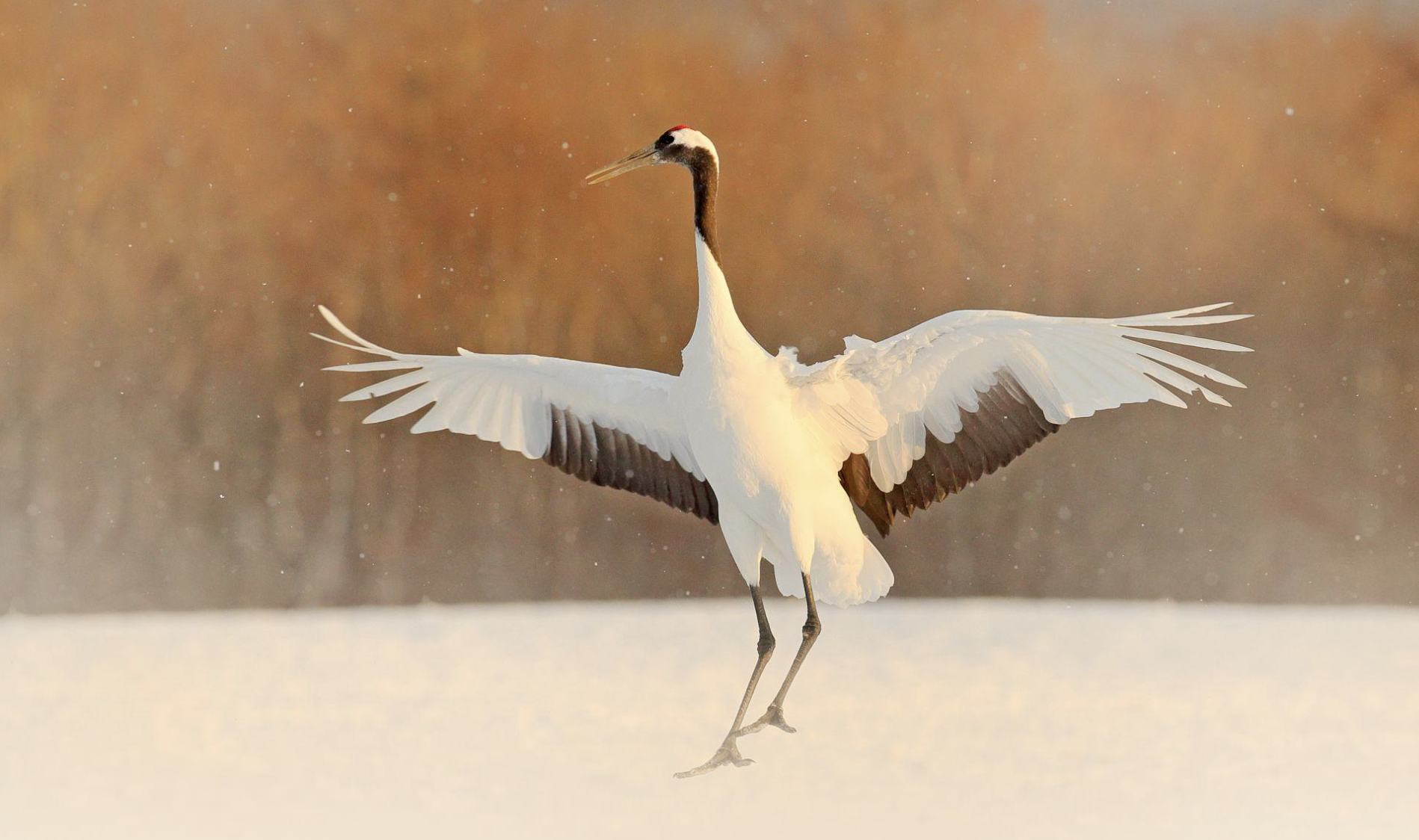
The Crane: An Ancient Lesson in Movement
What if one of the most important skills we could develop as we age is learning when to do less?
For centuries, Chinese movement traditions have looked to nature for lessons in health and longevity. Animals were observed not simply for how they moved, but for the qualities their movements expressed: strength, flexibility, awareness, and adaptability.
One of the best-known examples is Wu Qin Xi, or the Five Animal Frolics, traditionally associated with the physician Hua Tuo during the Han dynasty nearly 2,000 years ago. The practice drew inspiration from the tiger, deer, bear, monkey, and bird, with the bird later commonly represented as the Crane.
What I find especially meaningful is Hua Tuo's teaching that the body needs movement, but should not be pushed to extremes. The goal was to maintain health through regular, intentional activity rather than excessive exertion.
The Crane offers a beautiful way to explore this philosophy. In Chinese culture, it has long symbolized longevity and grace. Through Crane-inspired Qigong, we can explore the relationship between stillness and movement, stability and softness, and the intention behind each action.
As we close our Autumn season, this connects beautifully with the Metal element in Chinese Medicine. Autumn represents a time of gathering, refining, and letting go as the expansive Yang energy of Summer gradually gives way to the quieter Yin energy of Winter.
And perhaps this is the Crane's most valuable lesson for us: Movement doesn't always need to be bigger, faster, or harder to be meaningful.
The Art of Doing Less
Throughout Autumn, we've explored how breathing, sensory awareness, pain, balance, and everyday movement habits influence our ability to adapt as we age.
But as we approach Winter, there's another skill worth developing:
Knowing when to move, when to soften, and when to conserve.
In Chinese movement and contemplative traditions, several practices offer different ways to explore this idea.
Wuji (無極) | Finding Neutral
Wuji is often used in Qigong to describe a quiet, neutral standing posture before movement begins. Rather than forcing ourselves into perfect alignment, we explore balanced posture, comfortable breathing, and awareness of where we're holding unnecessary tension.
Zhan Zhuang (站樁) | Practicing Stillness
Often translated as "standing like a post," Zhan Zhuang invites us to maintain a supported, attentive standing position. Although we appear still, our muscles and postural systems continue working to maintain balance. The challenge is learning to remain stable without excessive effort.
Zuo Wang (坐忘) | Sitting in Forgetfulness
Rooted in Daoist philosophy, Zuo Wang invites us to loosen our attachment to thoughts, expectations, and constant mental activity. Unlike a physical exercise, its emphasis is contemplative: learning to sit without continually trying to accomplish something.
These practices are different, but they offer a common invitation: to become more aware of how much effort we're using and whether that effort is necessary.
This is especially important in Age Training. We want to develop strength, balance, and mobility, but we also want to recognize when our bodies need recovery. Resilience isn't measured only by how much we can do. It's also reflected in our ability to adapt our effort to the situation.
Neuro-Qi Tip o’the day!
Find your stillness.
Wuji - Can I stand comfortably without unnecessary tension?
Zhan Zhuang - Can I maintain stability without excessive effort?
Zuo Wang - Can I sit without needing to accomplish anything?
*Video posts every Friday by 11:30am MDT
