
Autumn Qi Chats | Week 5
Breath + Biology
This week we discuss why bigger breaths aren't always better and how quieter, lighter breathing can help us build better respiratory habits as we age.
You Practice Breathing All Day
We often notice changes in our 50s, 60s, and 70s and immediately blame age: poorer sleep, less energy, brain fog, breathlessness, muscle fatigue, or slower recovery. But these changes don't appear in a vacuum. Aging is also the accumulation of thousands of daily habits, and breathing may be one of the most repeated habits of all.
Both western science and eastern medicine sees the respiratory system as a gauge for our health. Chinese Medicine compares hyperventilation to a canine panting vs a tortoise with a smaller breath volume and better lifespan. Western Medicine notes that many people habitually breathe more air than their metabolic needs require. Two different ways to pinpoint the 'over-breather’ aka the mouth breather.
Over-breathing can become so familiar that it feels normal. Mouth breathing, frequent sighing, upper-chest breathing, large breaths and excessive ventilation can all contribute to this pattern. Know that dysfunctional breathing isn't necessarily something you suddenly develop when you're older. You may have been practicing it for decades.
This brings us to carbon dioxide, CO₂. We often think better breathing means getting more oxygen, but when ventilation exceeds metabolic demand, arterial CO₂ falls. Lower CO₂ affects blood pH, cerebral blood flow and hemoglobin's affinity for oxygen. So taking larger and larger breaths isn't necessarily giving your tissues more usable oxygen.
So when it comes to breathing — less is more.
RETRAIN HOW TO BREATHE
If breathing habits can be learned, they can also be retrained. The goal isn't to take the biggest or deepest breath possible. Instead, we're practicing how to breathe quietly, efficiently, and appropriately for what the body needs.
Start with these basics:
1. Close your mouth.
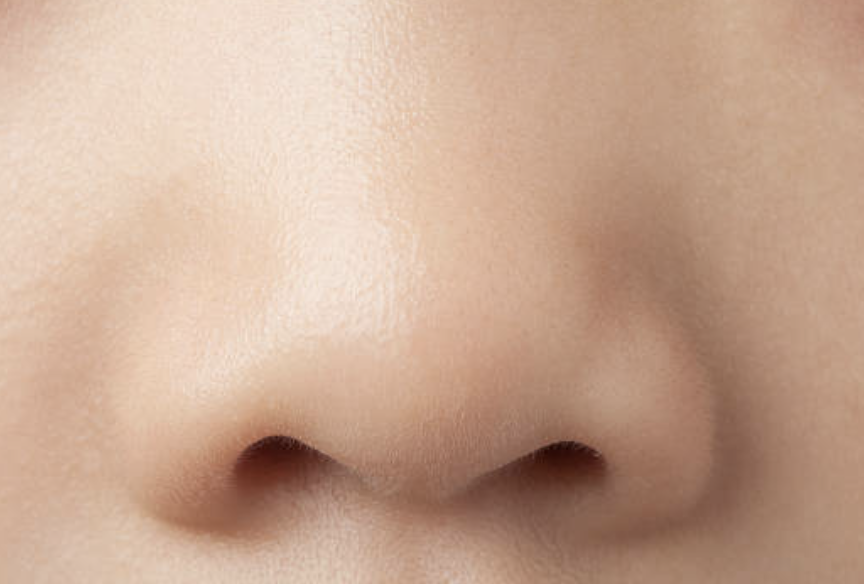
Allow your breathing to move through your nose whenever comfortable.
2. Quiet the breath.
Instead of deliberately taking a deep breath, begin making each breath softer and quieter.
3. Reduce the volume.
Let the amount of air you breathe become slightly smaller until you notice a gentle desire for more air. This should feel tolerable, never stressful.
4. Relax.
Avoid compensating by tightening your jaw, shoulders, chest, or abdomen. Let your body settle around the quieter breath.
5. Practice, don't force.
Spend a few minutes exploring this pattern and gradually make it familiar. The goal is not to hold your breath or tolerate distress. It is to give your respiratory system another option.
This same principle appears across many breathing traditions, including Qigong: better breathing doesn't necessarily mean more breathing. We are learning to reduce unnecessary effort, become more aware of our internal signals, and match the breath to what the body actually needs.
Neuro-Qi Tip o’the day!
USE YOUR TONGUE
Nasal Breathing
Walking while nasal Breathing
Take your control pause every morning... [drill explained in the video]
*Video posts every Friday by 11:30am MDT
