
Autumn Qi Chats | Week 4
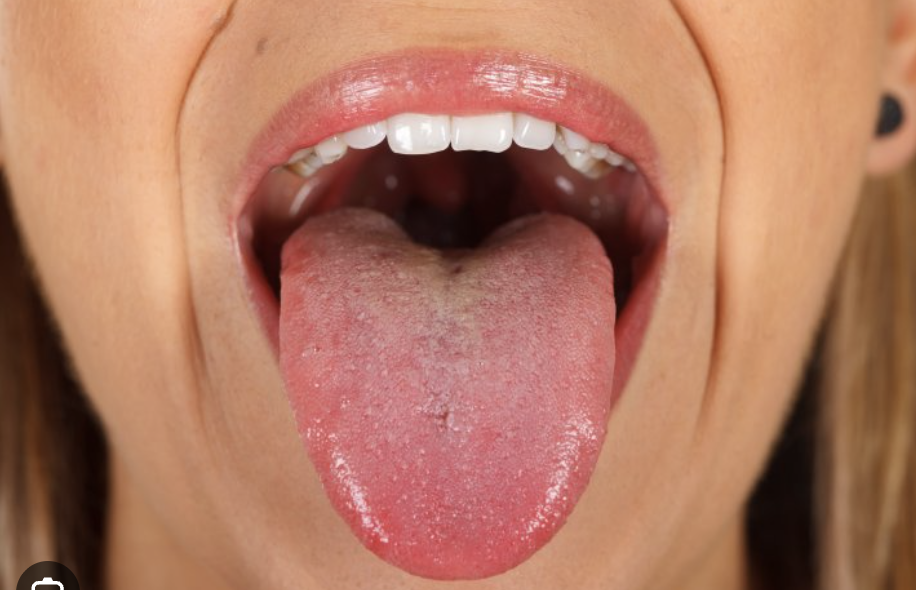
Tongue + Training
This week we discuss why balance is a whole-system output and how tongue stimulation gives the brain another sensory input to explore.
Balance Training is more than a wobble board
“My balance just isn’t what it used to be” is something many of us begin to notice as we get older. Maybe you feel less steady when you turn quickly, hesitate on uneven ground, reach for the railing more often, or simply don’t trust your footing the way you once did. It’s easy to put all of this under the heading of aging and assume declining balance is simply part of getting older.
Age-related changes in vision, sensation, strength, reaction time and the vestibular system are real. But balance isn't located in your feet, your muscles, your spine or even your inner ear. Balance is an output created by your brain after integrating many different sources of information. Your eyes tell you what is around you. Your inner ears detect head movement. Your feet and joints tell you where your body is. Your brain combines all of this information and continually decides how to keep you upright.
That changes the question from “Why is my balance getting worse?” to “What parts of my balance system can I still train?” Age Training looks at balance as a whole-system skill. Instead of only strengthening the legs or practicing standing on one foot, we can give the brain different sensory inputs and see whether changing the information changes the output.
SENSORY INFORMATION FROM THE TONGUE
Here’s an unexpected place to explore balance: your tongue.
The tongue is a sensory-rich structure connected to multiple cranial nerves and brainstem networks. Touch it, vibrate it, move it, taste something, chew gum, feel something cold, gargle or hum, and you create different forms of sensory information. Those signals travel through cranial nerve pathways into the brainstem and become part of the enormous amount of information your nervous system is processing at any given moment.
This is particularly interesting for balance because some of these brainstem networks interact with vestibular, cerebellar and sensorimotor systems involved in orientation and postural control. Electrical tongue stimulation has even been studied alongside balance and vestibular rehabilitation. Mechanical inputs such as vibration aren't equivalent to those electrical devices, but they give us another sensory input we can explore.
This is where assess → train → reassess becomes important.
Check your balance.
Try gentle vibration, tongue movement, chewing gum or cool-water stimulation.
Then repeat the same balance assessment.
Did anything change?
We aren't training the tongue because the tongue controls balance. We're changing the sensory information available to the nervous system and asking whether the brain organizes balance differently.
Balance is bigger than one body part. Train it like the system it is.
Neuro-Qi Tip o’the day!
USE YOUR TONGUE
Find ‘the spot’ as often as you can remember [drill explained in the video]
When you are training - don’t forget the tongue. Just as you would ‘prep’ the body, prep the tongue with the 4 tongue drills [drills demonstrated in the video]
*Video posts every Friday by 11:30am MDT
