
Summer Qi Chats | Week 8
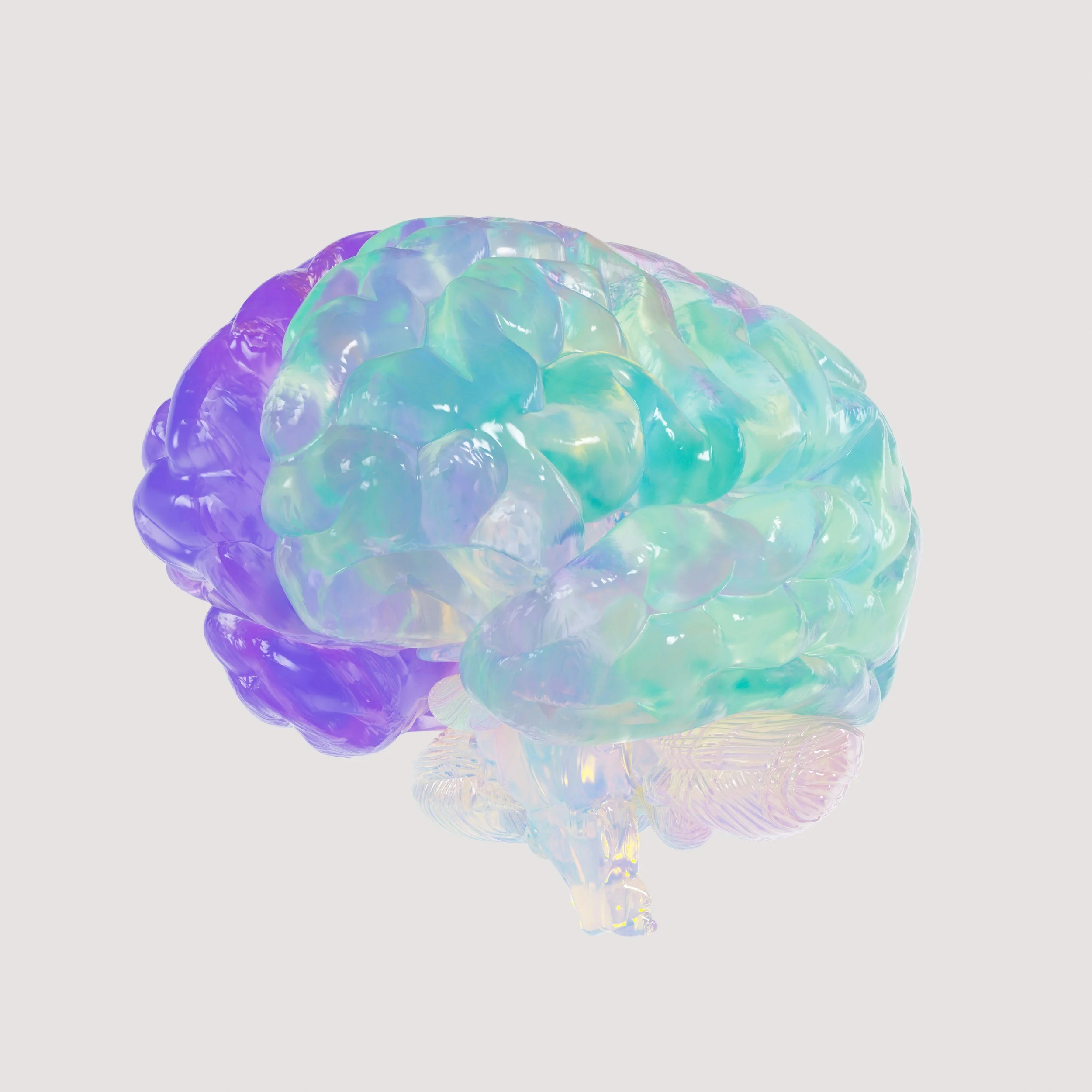
Correlation + Causation
This week we come into the depths of the pits, truly time to massage Ji Quan and make it a practice for every day.
Stop Chasing One Cause for Your Low Back Pain…
Low back pain is one of the most common reasons people seek medical care, yet it remains one of the most frustrating conditions to understand. For decades, we have been taught to search for the cause. Perhaps it's a weak core, poor posture, arthritis, a bulging disc, or tight hamstrings. While each of these may play a role, modern neuroscience reminds us that pain is rarely explained by one structure alone.
One of the most significant shifts in pain research over the last several decades has been recognizing that pain is an output generated by the brain after integrating many different inputs, not simply a signal coming from injured tissue. This concept, supported by the work of neuroscientist Ronald Melzack through the Neuromatrix Theory of Pain, suggests that before the brain decides whether pain is necessary, it gathers information from many systems throughout the body as well as the environment.
This is an important distinction because it changes the question we ask.
Instead of searching for the single structure responsible for pain, we begin asking what information the brain is receiving and whether that information increases or decreases the need for protection. The nervous system is continuously evaluating signals from our joints, muscles, skin, vision, inner ear, breathing, immune system, previous experiences, emotional state, and even our expectations. These signals are constantly being compared and interpreted before the brain decides how much protection is appropriate.
Threat Bucket
At Bamboo Bodies, we often simplify this concept using what we call the Threat Bucket. Imagine that every challenge your nervous system encounters adds a little water to a bucket. Poor sleep, chronic stress, reduced movement, vision changes, breathing dysfunction, inflammation, balance deficits, fear of movement, previous injuries, and even negative beliefs about aging can all contribute. Individually, none of these may be enough to produce pain, but collectively they can increase the brain's perception that your body needs protection.
This perspective also introduces an important scientific principle known as equifinality. Simply put, many different pathways can lead to the same outcome. Ten people may all experience low back pain, yet each person's nervous system may have arrived there for different reasons. One individual may primarily struggle with reduced hip mobility, another with poor balance, another with chronic stress and disrupted sleep, and another with vestibular changes following a concussion years earlier. Their pain may look similar, but the factors contributing to it are often very different.
Understanding pain in this way reminds us why there is rarely a single exercise, stretch, or treatment that works for everyone. Instead of searching for one cause, we begin looking for the many opportunities we have to reduce threat and improve the quality of information reaching the brain. That is where meaningful, lasting change often begins.
Neuro-Qi Tip o’the day!
Drain the Bucket
Start your day with your scrub. That moves lymph, blood and Qi.
Run through your daily ‘warm up’ with intention.
Do just 1-3 minutes of vision drills.
Breathe in ONCE and out for a looooong exhale to reset.
*Video posts every Friday by 11:30am MDT
Resources:
https://onlinelibrary.wiley.com/doi/10.1111/j.1533-2500.2005.05203.x
https://www.noigroup.com/noijam/making-sense-of-practice-with-pain-science/
