
Spring Qi Chats | Week 8
Vitality + Vision
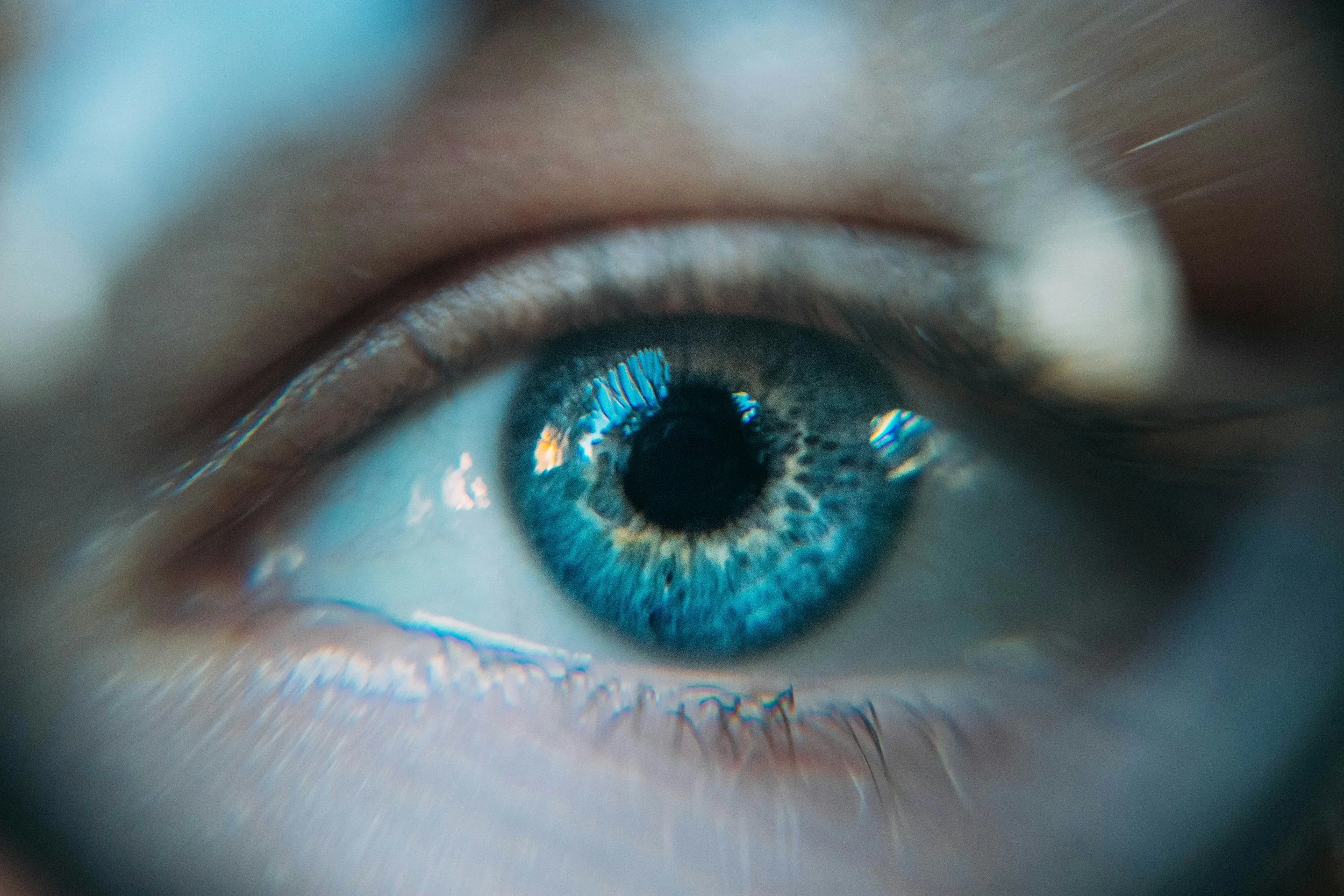
Vision is one of the most overlooked systems in aging. Discover how you can ‘turn back time’ with vision training.
Your Missing Piece to Age Training…
There are certain shifts in aging that some quietly accept. More pain. Less mobility. A little more hesitation in how we move through the world. That is often what brings people to exercise in the first place. You want to stay strong. You want to stay capable. You want to age well. But Age Training is not just about moving your body more. It is about understanding what supports movement in the first place. That is where the conversation needs to go deeper. This is why Bamboo Bodies exists. Not just to move, but to understand how you function.
If you want to age well, you need to train more than your muscles. You need to train your vision. This is the piece that almost no one is talking about. Research continues to show that vision loss in older adults is associated with slower walking, lower physical activity, and greater difficulty with mobility and daily function. So if your current routine is focused only on strength, stretching, or cardio, you are missing a critical part of the equation. Vision is not separate from movement. It is what guides it.
Your visual system plays a powerful role in how your body organizes itself. It influences your posture, your coordination, your balance, and even how much tension or discomfort you feel. The brain relies heavily on the eyes to understand the environment and determine what is safe. When your vision is strained, unclear, or underperforming, the body often compensates. You may notice more forward head posture, tighter shoulders, or changes in breathing. Depth perception affects how you move through space, and your peripheral vision helps you stay balanced and aware. When these systems decline, the body feels it.
VISION TRAINING
This is where the nervous system comes into play. Your brain constantly processes input from three major systems: vision, the inner ear, and proprioception. Vision sits at the top of that hierarchy. It helps the brain decide whether the world around you is predictable and safe. When visual input is clear and reliable, the brain can allow for smoother, more confident movement. When visual input is poor or inconsistent, the brain often responds with protection. That can show up as stiffness, hesitation, or even pain. Visual impairment has also been linked with higher levels of chronic pain, poorer sleep, increased anxiety, and reduced activity levels, all of which can compound the aging process.
This is why vision training matters. It gives the brain better information. And better input leads to better output.
Vision training focuses on four key skills: eye movements, visual clarity, depth perception, and peripheral awareness. In practice, this can look like simple drills such as pencil push-ups, near and far focusing, peripheral awareness exercises, and eye movement patterns. These are not complicated, but they are powerful when done consistently. Just as important are the daily habits that support your visual system. Taking breaks from screens, reducing exposure to constant close-up work, spending time outdoors in natural light, and allowing your eyes to rest all contribute to better visual function.
Supporting your vision also goes beyond exercises. Your breathing patterns, sleep quality, and overall health all influence how well your visual system performs. This is why Age Training is not about one system in isolation. It is about understanding how everything works together.
When you begin to train your vision, you are not just working on your eyes. You are improving how your brain interprets the world. And when the brain feels more confident in what it sees, the body becomes more capable in how it moves.
Neuro-Qi Tip o’the day!
Visual Routine Review
Sprinkle in vision training weekly - this is worth your time!
Let’s review the main exercises that can help you maintain your vision skills & keep you vital this spring!
*Video posts every Friday by 11:30am MDT
Resources:
https://academic.oup.com/gerontologist/article/60/6/989/5554379
https://link.springer.com/article/10.1186/s40101-018-0170-1 (correlation between vision + falls)
